

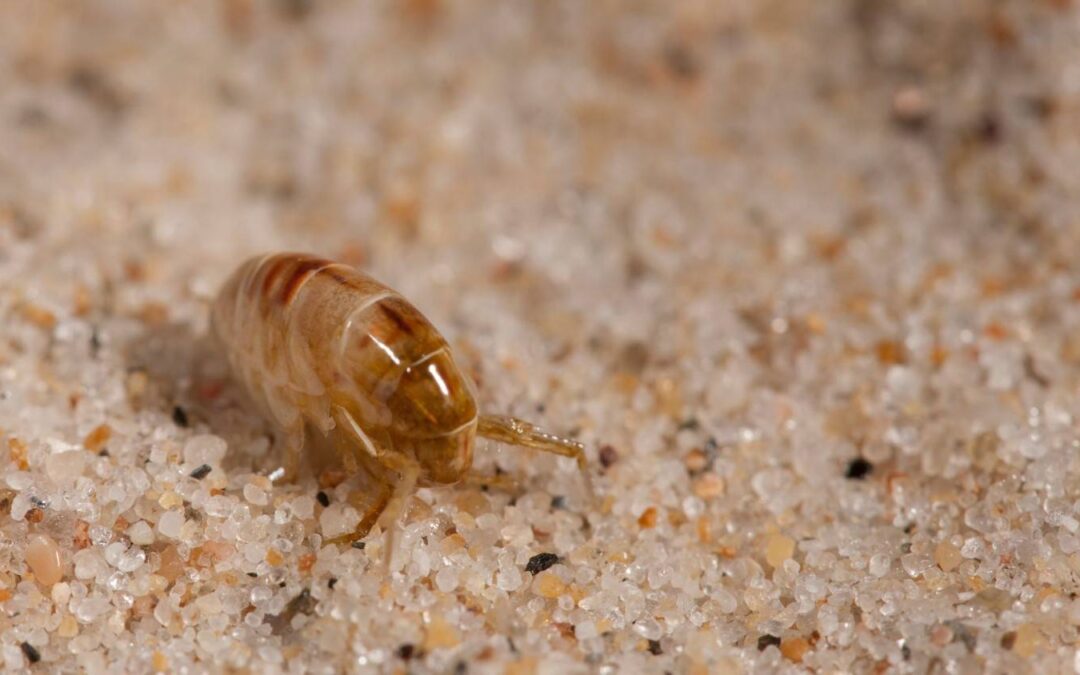
Have you ever walked on the beach and suddenly felt small stings around your feet or ankles? You may have encountered one of the most annoying beach creatures – the sand flea. These little jumpers can ruin a relaxing day at the beach with their itchy bites and red sores.
But what exactly are sand fleas? Do they really live in sand? And how can you protect yourself from them? Let's break it down in this ultimate guide.
What Are Sand Fleas?
Despite their name, sand fleas aren’t always real fleas. The term “sand flea” is often used to describe different creatures that live in sandy areas. In most coastal regions, sand fleas are small crustaceans called amphipods. They look like miniature shrimp and don’t bite humans.
In tropical areas, however, “sand fleas” may refer to biting insects known as Tunga penetrans, also called chigoe fleas or jiggers. These tiny fleas can burrow into human skin, causing painful and itchy bumps. So depending on where you are, the term “sand flea” could mean something harmless or something that bites.
Where Do Sand Fleas Live?
Sand fleas love:
- Wet sandy beaches and dunes
- Coastal lagoons or tidal areas
- Shaded zones near seaweed piles
- Tropical and subtropical regions
They thrive in warm, humid environments, hiding under damp sand during the day and becoming active at dawn and dusk. If you’re barefoot on the beach during those hours, you’re a perfect target.
What Do Sand Fleas Look Like?
They’re easy to miss because of their size, but here’s how to spot them:
- Crustacean sand fleas are gray or tan and about a quarter to one inch long. They look like small shrimp and move by hopping.
- Biting sand fleas (jiggers) are much smaller, around one millimeter long, and are difficult to see without magnification.
If you notice small jumping bugs near the shoreline, they’re likely the harmless crustacean type.
Do Sand Fleas Bite Humans?
Yes, some do. The biting sand fleas can attach to your skin and feed on blood. Their bites often appear as small, red, itchy bumps, especially around the ankles and feet. In tropical regions, female chigoe fleas can burrow under the skin, which can cause painful swelling and infection if not treated properly.
Sand Flea Bites: Symptoms & Treatment
Common symptoms include:
- Intense itching or burning
- Swelling and redness
- Tiny black spot in the center (if flea is embedded)
- In severe cases: pus, infection, or ulceration
How to Treat Sand Flea Bites:
If you’ve been bitten, here’s what to do:
- Clean the area with soap and warm water to remove dirt and bacteria.
- Apply a cold compress to reduce swelling and itching.
- Use an anti-itch cream or hydrocortisone ointment.
- Avoid scratching, as it can make the bite worse.
- If the bite looks infected or very swollen, seek medical help immediately.
Some natural remedies like aloe vera gel or baking soda paste can also help soothe irritation.
How to Prevent Sand Flea Bites
You can’t completely remove sand fleas from beaches, but you can definitely avoid being bitten!
Here’s how:
- Don’t sit or lie directly on sand — always use a towel or mat.
- Apply insect repellent with DEET or natural oils (like eucalyptus or citronella).
- Wear sandals or water shoes when walking near wet sand.
- Avoid beaches at dawn and dusk, when fleas are most active.
- Shake off towels and clothes before leaving the beach.
- Keep pets off the sand if possible — they can bring fleas home.
These simple habits can save you from hours (or days) of scratching!
Are Sand Fleas Dangerous?
For most people, sand flea bites are just an itchy nuisance. However, in tropical countries (like parts of Africa, South America, and the Caribbean), jigger fleas can cause serious issues by burrowing under the skin.
If untreated, this can lead to:
- Secondary infections
- Skin lesions
- Pain and swelling
Always consult a doctor if the bite looks abnormal or continues to worsen after a few days.
Quick Facts About Sand Fleas
It’s easy to confuse sand flea bites with regular flea bites, but here are a few differences:
| Fact | Details |
| Scientific Name | Tunga penetrans (biting flea), Talitridae (crustacean) |
| Size | 1 mm to 1 inch |
| Habitat | Wet sandy beaches |
| Active Time | Dusk and dawn |
| Bite Type | Itchy welts, sometimes painful |
| Dangerous? | Rarely — except jigger infestations |
More Information About Flea
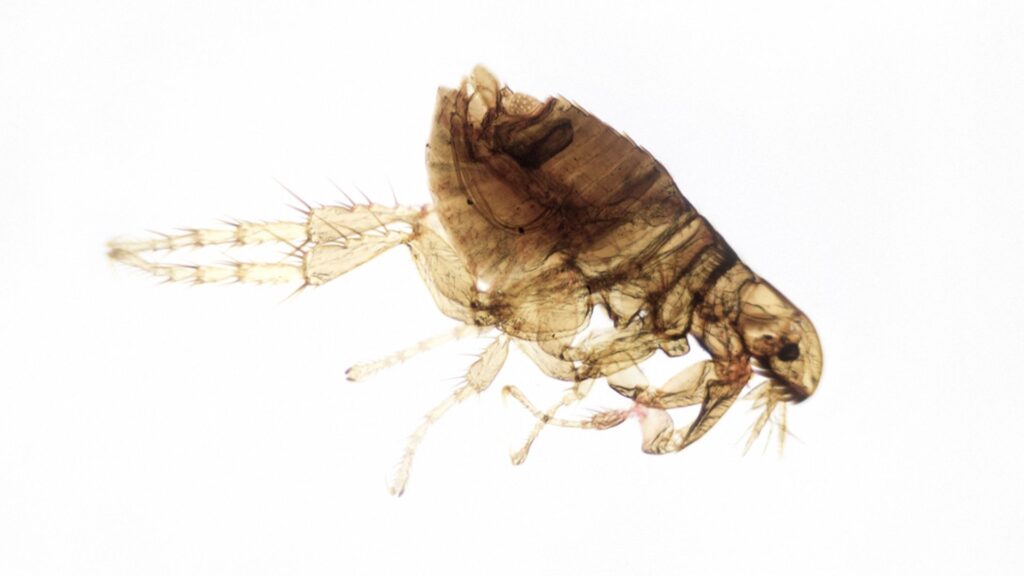
It’s highly unlikely that a sand flea would follow you home from the beach, but it’s helpful to understand more about actual fleas and how to prevent them. Here’s some additional information you might find useful:
Are Cat Fleas and Dog Fleas the Same?
No. Fleas found on dogs are a different species from those that live on cats. However, both types can sometimes bite humans if they can’t find an animal host.
Cat Fleas on Humans
When cat fleas are removed from an animal, they often bite humans until they find a new host. While they can’t live long on people, their bites can still cause irritation and itching.
Flea Bites
Flea bites appear as small red bumps and can be very itchy. In both humans and pets, frequent scratching can lead to infections or allergic reactions.
Flea Bombs
Many people try using flea bombs for infestations, but they don’t always work. Flea bombs often miss hidden fleas or eggs on pets and furniture, which means the problem can return quickly.
Flea Life Cycle
A flea’s life cycle has four stages — egg, larva, pupa, and adult. Understanding these stages helps you target every part of the cycle when treating an infestation.
Signs of a Flea Infestation
If your pet scratches constantly or you see tiny brown insects on their fur, that’s a clear sign of fleas. You may also notice small black specks (flea dirt) on bedding or carpets.
Final Thoughts
So, what are sand fleas?
They’re small, sand-dwelling creatures that can either be harmless crustaceans or biting parasites — depending on where you are.
While their bites can be irritating, they’re mostly avoidable with a few smart precautions. Remember to protect your skin, use repellents, and avoid peak activity times on the beach.
Explore Our Flea Pest Control Services..
FAQs
1. Are sand fleas the same as beach fleas?
Pretty much — “sand fleas,” “beach fleas,” and “sand hoppers” often refer to the same crustaceans.
2. Can sand fleas live in your house?
No. They can’t survive indoors for long because they need a moist, sandy environment.
3. Can sand fleas jump?
Yes! They’re strong jumpers, which helps them escape predators and move between wet sand layers.
4. How long do sand flea bites last?
Most bites heal within 3 to 7 days, but scratching can make them last longer or lead to infection.