

If this is your first time trying DIY pest control, take a breath. You’re in the right place. Pest problems can feel embarrassing or overwhelming, but they are actually one of the most common issues homeowners face. What matters is how quickly and confidently you respond. This guide is written specifically for you. It offers clear steps, smart solutions, and practical tips that work in real homes, not just in textbooks.
This isn’t “spray and pray” advice. It’s a smart home pest control system you can build yourself using a mix of preventive methods, targeted treatments, and behaviour-based pest insights so your home stays consistently protected.
If you live in a busy pest zone, consider scheduling a termite inspection as an extra layer of protection.
Why DIY Pest Control Works Better Than You Think
Most people assume pest control requires chemicals or professional exterminators. But the truth? 80% of pest problems can be fixed, or even avoided, by using smart habits and careful home upkeep, not strong pesticides.
Pests are not random. They follow patterns. They enter your home because they find:
- food
- moisture
- warmth
- easy entry points
- clutter
- untreated hiding spots
When you understand what they want, you can break their behaviour cycle and force them out without overusing chemicals.
Smart Home Pest Control Starts With Understanding the Enemy
Before jumping into solutions, you need a working knowledge of how common household pests behave. You don’t need scientific jargon—just simple insights that help you outsmart them.
Ants: The Social Engineers
Ants follow scent trails. Kill one ant without disrupting the trail, and hundreds more will come.
Your job isn’t to fight the ants—it’s to break the communication chain.
Key triggers:
- Sugary food
- Leftover crumbs
- Moisture under sinks
- Open trash bins
- Unsealed pantry items
Smart approach:
Cut off food signals + use natural ant disruptors (more on that soon).
Cockroaches: The Nighttime Opportunists
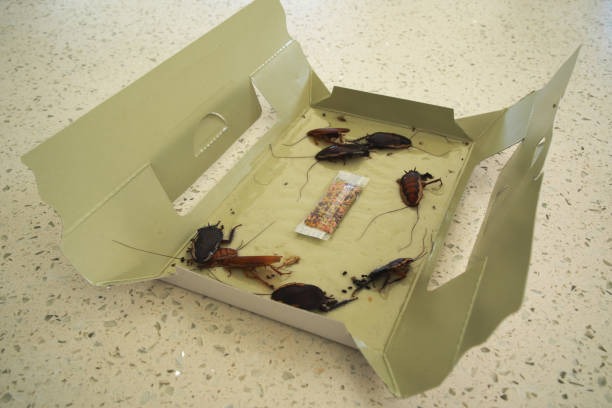
Roaches are survivors. They hide all day and feast at night.
Key triggers:
- Warm, dark areas
- Grease on stoves
- Garbage
- Cardboard storage
- Cracks near plumbing
Smart approach:
Focus on eliminating hiding zones + moisture sources.
Mosquitoes: The Silent Invaders
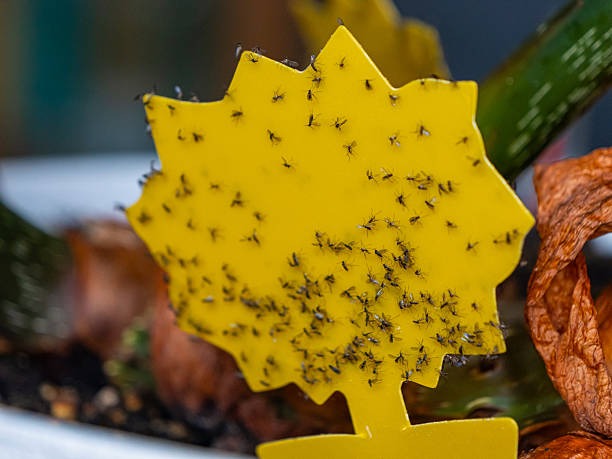
Mosquitoes don’t breed in “dirty water”—they breed in still water, even clean. A bottle of water is enough for hundreds of larvae.
Key triggers:
- Standing water
- Humidity
- Shady corners
- Leaky planters
Smart approach:
Eliminate water sources + use air movement and natural repellents.
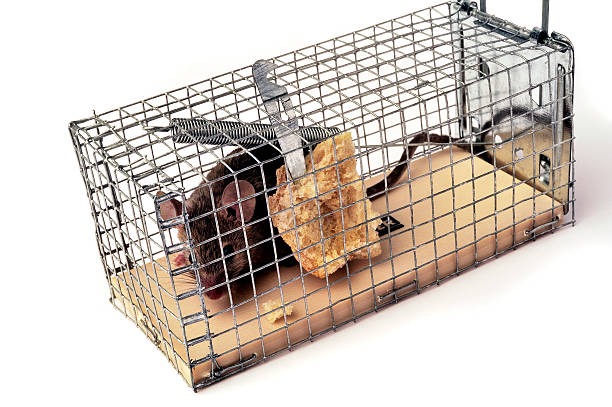
Rodents: The Clever Climbers
Rats and mice can squeeze through gaps smaller than a coin.
Key triggers:
- Warm nesting areas
- Food scraps
- Accessible trash
- Gaps near pipes
- Attic insulation
Smart approach:
Seal entry points + trap strategically instead of chasing.
DIY Pest Control That Works: A Smart Home Protection System
This section provides you with real, field-tested methods that utilise a combination of natural solutions, home-safe products, and behaviour-based strategies.
No unnecessary chemicals. No expensive gadgets. Just smart protection designed for homes like yours.
1. Start With a Home Pest Audit (10 Minutes Only)
Walk around your home with these key checkpoints:
Check for Entry Points
Look for gaps in:
- windows
- doors
- pipe connections
- wall cracks
- attic vents
- bathroom exhaust areas
Even 2–3 mm gaps invite ants and roaches.
Rodents need only 6–7 mm.
Seal them with:
- silicone caulk
- weatherstrips
- steel wool for rodent areas
Identify Moisture Zones
Pests love water more than food.
Inspect:
- sink cabinets
- bathroom edges
- laundry area
- outside taps
- AC drainage lines
If anything is wet, fix, dry, or seal it.
Detect Hidden Food Sources
You’ll be surprised by how many you find.
Focus on:
- crumbs under appliances
- unsealed flour, rice, sugar
- pet food bowls
- trash bins without lids
- sticky shelves
Once moisture and food disappear, 70% of pests leave by themselves.
2. Smart Cleaning Strategies That Remove Pest Signals
You don’t need fancy chemicals. You need habit-based protection.
Vinegar + Water = Ant Trail Eraser
Ants communicate through pheromone trails.
Wipe surfaces with equal parts vinegar + water.
This erases scent pathways instantly.
Baking Soda + Lemon = Roach-Repelling Cleaner
This combination:
- removes grease
- deodorizes
- disrupts roach scent trails
Use it on stoves, cabinets, and high-traffic areas.
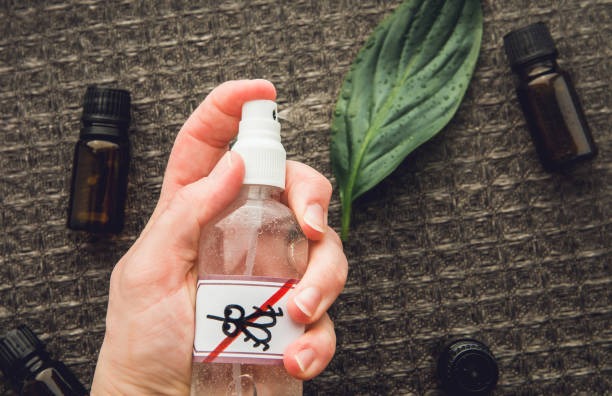
Mint or Lemongrass Spray
Most pests naturally avoid these scents:
- ants
- mosquitoes
- some roaches
- spiders
Mix with water for a safe, home-friendly spray.
3. Low-Toxic, High-Efficiency Pest Treatments (Beginner Friendly)
You don’t need high-grade chemicals.
Use these safe, effective options available in stores or online.
Boric Acid for Roaches (But Use Smartly!)
Boric acid works only when applied thinly, not clumped.
Spread a dust-fine layer under:
- refrigerator
- stove
- sink cabinets
- bathroom plumbing
Roaches walk through it, clean themselves, and carry it to the colony.
Food-Grade Diatomaceous Earth (DE)
Completely natural and deadly for:
Sprinkle around wall edges, behind appliances, and cracks.
It works mechanically, not chemically—safe when used responsibly.
Gel Baits for Ants
Gel baits attract ants, so they carry poison back to the nest.
Place gels:
- near trails
- windowsills
- under counters
Do not disturb the ants—you want them to take the bait home.
4. Mosquito Control for Smart Homes (Zero Chemical Fogging)
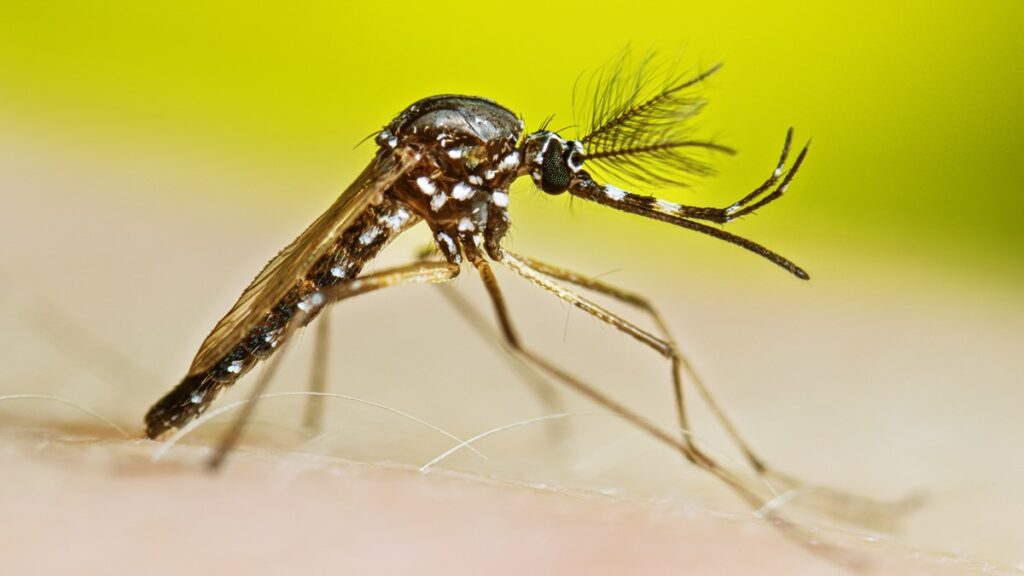
Mosquitoes are one of the most annoying and dangerous pests.
Try this smarter approach:
Airflow Strategy
Mosquitoes are weak fliers.
A simple fan on oscillation:
- blocks them from landing
- prevents bites
- disrupts breeding
Use in balconies, bedrooms, and outdoor sitting areas.
Dry Out Hidden Water Sources
Check and dry:
- AC drip trays
- plant saucers
- unused buckets
- roof gutters
- Pet bowls outside
Do this every 48 hours.
Natural Outdoor Repellents
Plant these around doors and balconies:
- lemongrass
- citronella
- basil
- lavender
- peppermint
They create a mosquito-unfriendly micro-environment.
Rodent Control Without Poison
Poisons are dangerous for pets and kids.
Use these smart traps instead:
Peanut Butter Baited Snap Trap (Most Reliable)
Place traps:
- behind the fridge
- near walls
- in attics
- garage corners
Rodents follow wall edges, so don’t put traps in open spaces.
Steel Wool + Caulk = Permanent Entry Blocker
Seal holes near:
- pipes
- vents
- washing machine outlets
Rodents can’t chew steel wool.
Declutter Storage Areas
Mice love nesting in:
- cardboard
- old clothes
- unused boxes
Replace cardboard with plastic bins.
Smart Home Upgrades for Long Term Pest Prevention
These upgrades are inexpensive yet game-changing.
Install Door Sweeps
Stops:
- roaches
- ants
- crawling insects
Especially effective in monsoon-prone areas.
Use Mesh Screens
Install fine mesh (40–60 mesh) for:
- windows
- ventilators
- balcony openings
Blocks mosquitoes and flying insects.
Smart Plug In Ultrasonic Devices
They help reduce activity, but shouldn’t be your only defense.
Use them to support—not replace—real maintenance.
Organic & Pet Safe Pest Control Techniques
If you have pets or kids, these are ideal.
- Neem oil spray for ants and garden pests
- Cinnamon powder at entry points for ants
- Clove oil cotton balls in cabinets for roaches
- Eucalyptus oil as a diffuser mosquito repellent
- Salt lines for snail or slug prevention in gardens
These natural methods create long term pest resistance.
When You Should Call a Professional Pest Control
DIY works for 80% of household pests, but call a pro when:
- You see continuous roach activity
- Rodents chew wires
- You find termite mud tubes
- You smell strong, musty odours (possible infestations)
- Pests reappear after 2–4 weeks of DIY treatment
Explore Our Expert Pest Control Solutions
Final Thoughts
Your home should feel peaceful and safe. Pests destroy that feeling quickly, but with the information above, you now know how to prevent most problems and handle the rest with confidence.
DIY pest control is not about spraying everything. It is about understanding why pests come in, what they look for and how to make your home a place they cannot survive in. When you combine simple daily habits with smart home tools and targeted treatments, you gain control. Your home becomes cleaner, healthier and protected all year round.
FAQs
1. Is DIY pest control effective?
Yes, DIY works well for small or early infestations, as long as the pests are visible and contained.
2. Can I treat termites by myself?
No. Termites require professional inspection and treatment. DIY methods are not enough.
3. Are natural repellents enough?
They help with prevention but rarely eliminate active infestations.
4. What DIY products work best?
Ant bait gel, sticky traps, boric acid, diatomaceous earth, mosquito dunks, and snap traps.
5. How do I prevent pests from entering?
Seal cracks, fix leaks, remove standing water, and store food in airtight containers.
6. Are DIY methods safe for pets?
Yes, when using pet-safe products like food-grade DE or snap traps.
7. Should I trust DIY pest control reviews?
Yes. Reviews help you understand real results, safety, and effectiveness before buying.