
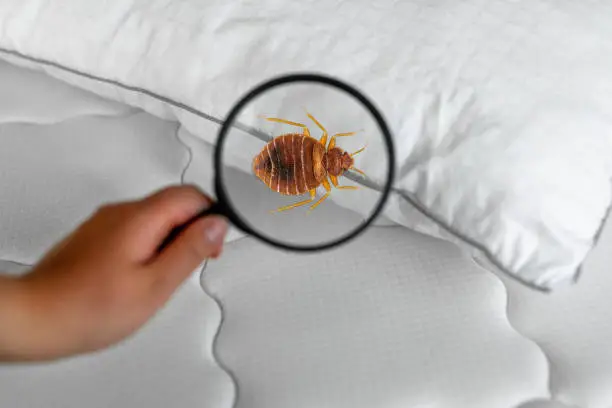
Bed bugs are small, silent, and persistent pests, but the real problem isn’t just the insects; it's the reactions their bites cause. Many homeowners struggle to recognize bed bug bites early because the symptoms often appear slowly and change in stages. If you’ve woken up with unexplained marks or irritation, understanding how these bites develop over time is your best defense. This guide explains each stage clearly so you can take timely action and protect your home with confidence.
Why Bed Bug Bite Symptoms Don’t Show Up Immediately
Unlike mosquito or flea bites, bed bug bite symptoms can take hours or even days to appear. This delay happens because your body responds to the insect’s saliva at its own pace. Some people show symptoms almost instantly, while others remain unaware for several days, even though they have multiple bites.
This delayed reaction is one of the main reasons bed bugs spread quietly. By the time you notice symptoms, the infestation may already be established.
This is also why some homeowners initially think the bite marks came from fleas or even minor skin allergies.
Stage 1: The Initial Bite – Often Invisible
When a bed bug bites, it injects an anesthetic and anticoagulant that prevents you from feeling anything. During this initial moment:
- There is no itching
- No redness
- No swelling
- No visible marks
Bed bugs feed for 3 to 10 minutes, typically at night. Without sensations to warn you, most people continue sleeping undisturbed. This is why early detection is difficult.
Bite patterns often appear in small groups or straight lines, which makes them different from flea bites or mosquito bites. During this stage, some people search for basic pest control information because they want to understand whether this irritation could be related to insects living indoors.
Stage 2: Mild Redness and Itching Begins (Hours Later)
Within a few hours, the first noticeable symptoms begin to show. These early reactions include:
- Light red spots
- Slight irritation
- Mild itching
- Small bumps resembling mosquito bites
At this point, most people still can’t confirm bed bugs. The symptoms resemble common allergic reactions or everyday insect bites. However, one sign begins to stand out—the bites often appear in clusters, lines, or zigzag patterns, commonly known as “breakfast, lunch, and dinner” markings. Some people may begin researching bed bug treatment or ask their doctor about remedies to ease the discomfort.

Stage 3: Increased Swelling and Itchiness (1–2 Days Later)
As your body continues reacting, symptoms intensify. This is the stage when most homeowners first suspect a pest problem. Typical developments include:
- Larger red welts
- Noticeable swelling
- Heightened itching
- Warm or irritated skin
- Clear, centralized bite points
In children or sensitive individuals, swelling can become more pronounced, and discomfort may last longer. This is also when scratching becomes a risk, increasing the chance of infection.
Stage 4: Peak Reaction – Strong Visible Symptoms (2–5 Days Later)
By this stage, bed bug bite symptoms reach their most visible form:
- Raised, inflamed welts
- Intense itching
- Possible skin dryness or rough texture
- Multiple clusters are expanding in size
- Tenderness when touched
If left untreated, frequent scratching can lead to:
- Skin breakage
- Scabbing
- Minor bleeding
- Secondary infections
- Lingering scars
This stage is often when homeowners search for bed bug control, especially if symptoms appear repeatedly over several mornings.
Some homeowners also begin connecting the dots with other household pest issues. For example, those familiar with ant control or mosquito control know that different pests leave different bite signatures, and bed bug patterns are fairly unique.
Stage 5: Symptoms Fade, but Marks May Linger (1–2 Weeks)
After about a week, symptoms begin to reduce:
- The itching lessens
- Swelling goes down
- Redness slowly fades
- Skin starts returning to normal
However, depending on your skin type, you may still notice:
- Light brown or red pigmentation
- Temporary dark spots
- Dry patches
- Slight scarring from scratching
These marks typically fade gradually but can persist longer for people with sensitive or reactive skin.
Why Symptoms Can Reappear Suddenly
One of the most confusing aspects of bed bug bites is that symptoms may flare up again even after fading. This can happen due to:
- Additional bites from ongoing infestations
- Allergic responses to residual saliva
- Scratching-induced irritation
- Delayed reactions to previous bites
If symptoms persist and no obvious cause is found, inspection becomes urgent. Bed bugs multiply quickly; females lay eggs almost daily, and ignoring the early signs often leads to more severe infestations.
Common Areas Where Symptoms Appear
Because bed bugs target exposed skin, bite symptoms are commonly found on:
- Arms
- Legs
- Neck
- Shoulders
- Back
- Hands
- Face
These areas are typically uncovered during sleep, making them vulnerable to repeated feeding.
How to Confirm Bed Bug Bite Symptoms
Although symptoms are helpful clues, they’re not enough for a final diagnosis. To confirm bed bug activity, look for additional indicators:
- Rust-colored stains on sheets
- Small black droppings
- Molted skins or shed exoskeletons
- Musty or sweet odors
- Tiny white eggs in mattress seams
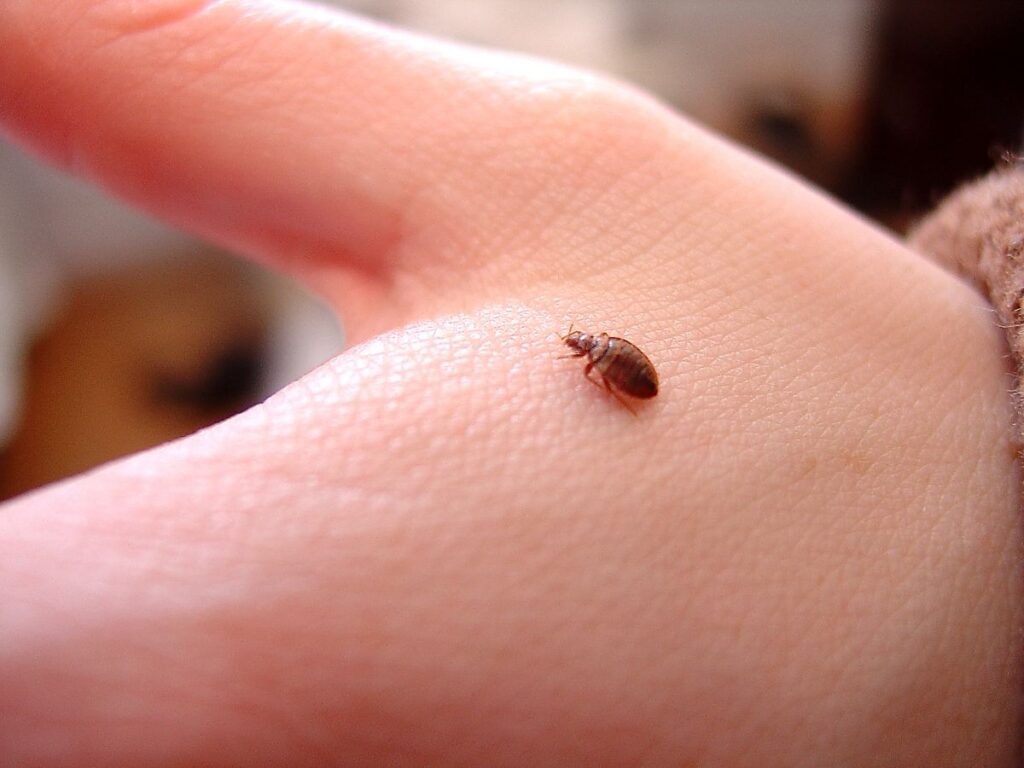
- Sightings of live bed bugs
If symptoms match and signs are present, immediate action is necessary.
These signs help distinguish bed bugs from other common pests you might encounter while dealing with flea, ant, or termite control issues in the home.
Safe Ways to Manage Bed Bug Bite Discomfort
While solving the infestation is the priority, symptom relief is also important. Here are safe, effective options:
- Cold compress to reduce swelling
- Aloe vera gel to soothe skin
- Over-the-counter antihistamines for itching
- Hydrocortisone creams if irritation persists
- Avoid scratching to prevent infection

If severe allergic reactions occur, consult a medical professional promptly.
Why Understanding the Timeline Matters
Recognizing how bed bug bite symptoms develop over time helps you:
- Detect infestations earlier
- Prevent worsening reactions
- Reduce scratching-related complications
- Protect family members
- Address the root cause faster
People often ask about bed bug bite medicine, and in most mild cases, OTC remedies are sufficient — but severe reactions always require a professional evaluation.
Final Thoughts
Bed bug bite symptoms progress slowly, making them easy to misidentify in the early stages. Understanding what bed bug bites look like, how they develop over time, and what supportive or medicinal options exist empowers you as a homeowner or caregiver. If symptoms persist or repeat over several nights, it’s a strong indicator that bed bugs may be active in your home. Prompt inspection and treatment ensure a safer, more comfortable living environment for you and your family.