
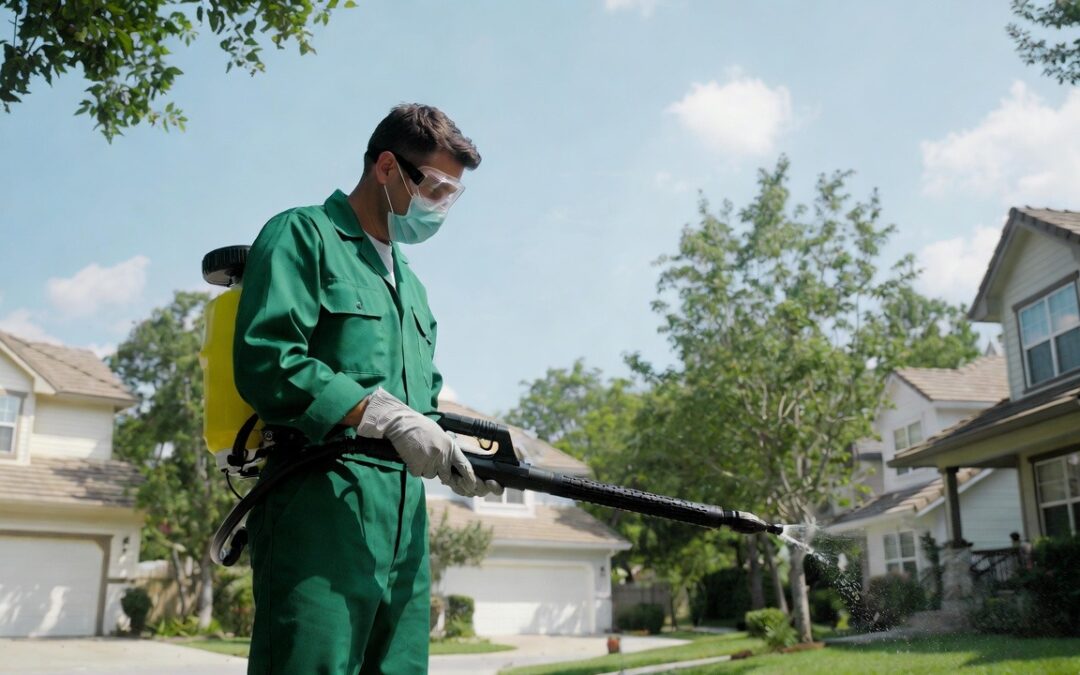
Pest infestations rarely begin as major problems. In most homes, they develop gradually when insects or rodents find stable shelter, moisture, and easy access to food. Instead of relying on aggressive chemical treatments, many homeowners today prefer safer pest management approaches that focus on prevention, inspection, and long-term protection.
This modern approach to pest control services helps reduce recurring infestations, protect indoor air quality, and support healthier living environments. Companies like EZ Pest Control apply these methods to ensure pests are managed responsibly while minimizing unnecessary exposure for families and pets.
These prevention focused methods also support pet safe pest control, making them ideal for households with children, cats, dogs, or other indoor animals.
Why Infestations Keep Coming Back
Recurring pest issues often occur when treatments focus only on visible activity. If entry points, nesting zones, or environmental attractants remain untouched, pests return.
Common triggers include:
- Unsealed gaps around doors, windows, and plumbing.
- Excess moisture in kitchens, bathrooms, and crawl spaces.
- Cluttered storage areas that provide shelter.
- Food residue and open containers.
- Addressing these conditions early is what separates reliable pest control from short-term fixes.
- Structural Prevention as the First Line of Defense.
- Long-term pest reduction starts with the structure itself. Small cracks and gaps act as highways for insects and rodents.
Preventive steps include:
- Sealing foundation openings and wall gaps.
- Securing attic vents and crawlspace access points.
- Improving door and window seals.
- By limiting entry, homes become far less attractive to pests searching for stable environments.
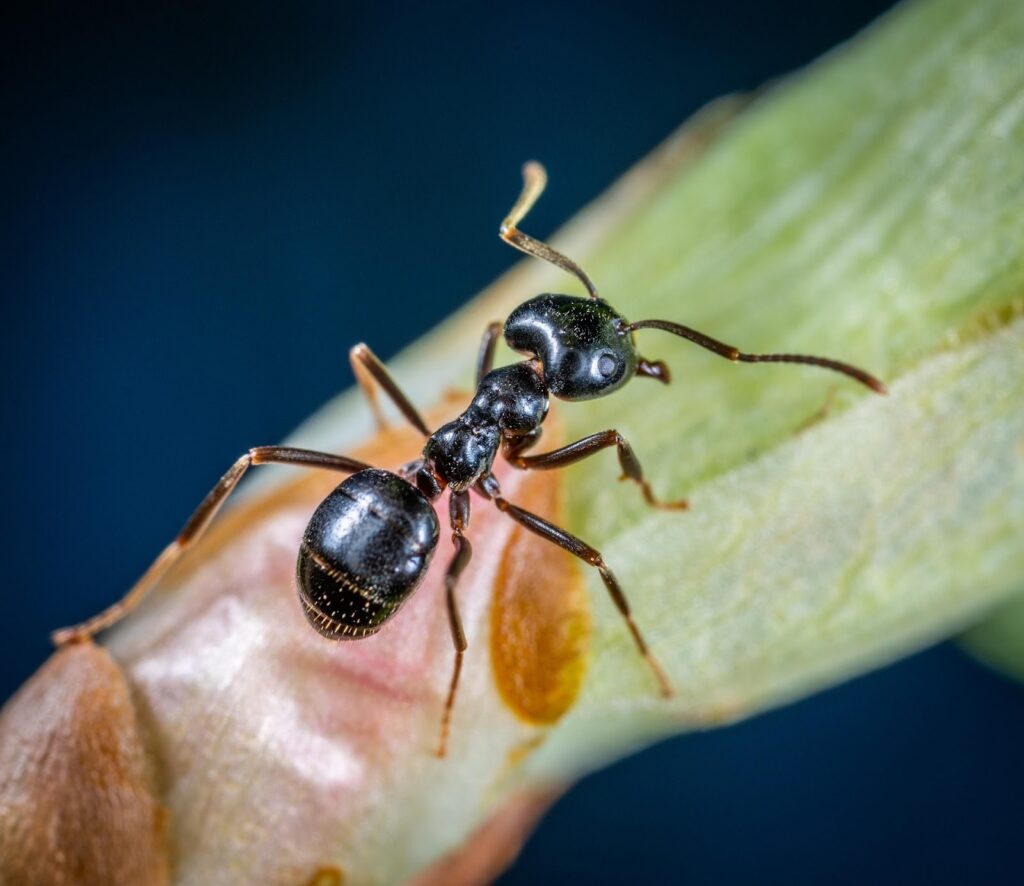
Ant Control Through Habitat and Trail Management
Effective ant control focuses on breaking foraging patterns rather than killing visible ants. Ants rely on scent trails and consistent access to moisture and food.
- Removing moisture sources.
- Cleaning surfaces that carry pheromone trails.
- Sealing entry points near kitchens and baseboards.
- When ants lose both access and direction, colonies naturally move elsewhere.
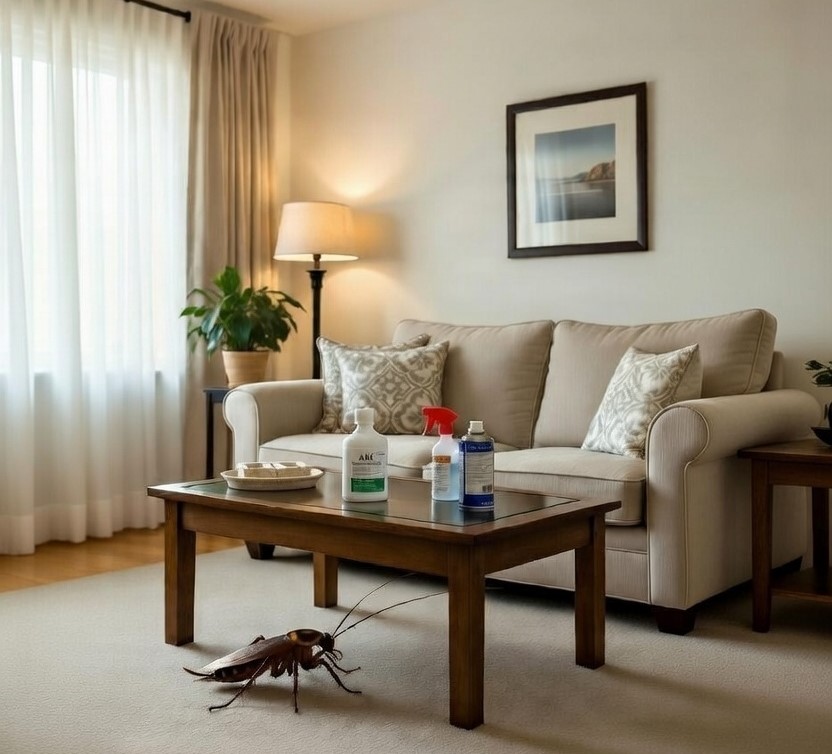
Cockroach Control Using Targeted Methods
Cockroaches prefer dark, warm, and humid environments. Long-term cockroach control depends on eliminating hiding zones rather than relying on sprays.
- Reducing moisture behind appliances.
- Improving ventilation in cabinets and storage areas.
- Using precise treatments rather than broad chemical applications.
- This approach lowers resistance and supports consistent population reduction.
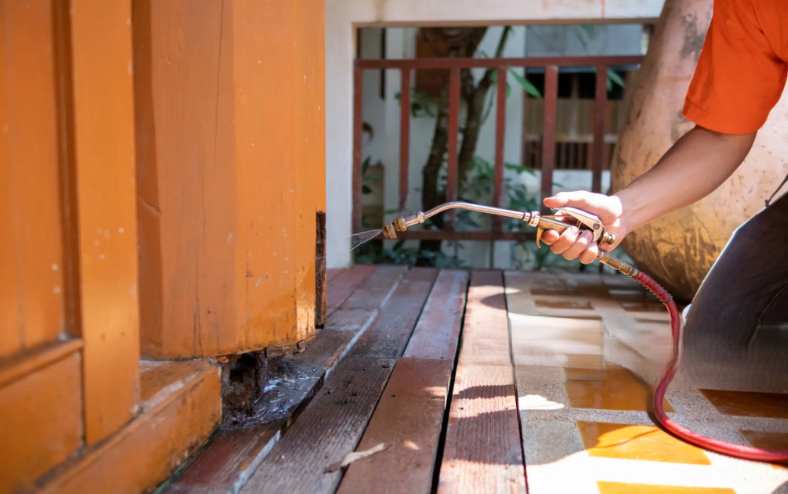
Termite Control Focused on Prevention and Monitoring
Termite damage often goes unnoticed until it becomes costly. Preventive termite control strategies include:
- Managing soil moisture around foundations.
- Improving crawlspace airflow.
- Keeping wood materials dry and elevated.
- Routine inspections play a major role in detecting activity early and protecting structural integrity.
Mosquito Control Through Environmental Adjustments
Mosquitoes depend on standing water to reproduce. Effective mosquito control prioritizes:
- Eliminating water buildup in outdoor areas.
- Improving drainage around the property.
- Managing vegetation near entry points.
- Reducing breeding zones limits mosquito populations without the need for frequent chemical fogging.
Spider Control by Reducing Shelter and Prey
Spiders often enter homes in search of insects, not shelter. Effective spider control reduces both access points and food sources.
Prevention focuses on:
- Sealing cracks and crevices.
- Reducing indoor clutter.
- Controlling insect populations that attract spiders.
- Consistent cleaning and exclusion techniques significantly reduce spider activity.
- Addressing Lesser-Known Pests Naturally.
Outdoor pests can still affect indoor comfort, especially in landscaped or sandy environments. Homeowners often misidentify biting insects, which can delay proper prevention. Learning about pest behavior and exposure risks is essential. For example, understanding how sand fleas behave and how bites occur can help prevent unnecessary discomfort.
Education and Ongoing Maintenance Matter
One of the most overlooked aspects of pest prevention is education. Staying informed about seasonal pest activity and maintenance habits makes a measurable difference. Practical guidance, such as these expert pest control tips, helps homeowners stay proactive instead of reactive.
Choosing the Right Pest Control Support
Not every situation requires aggressive treatment. A thoughtful evaluation helps determine when professional involvement is necessary and when preventive steps are enough. Reviews of Safer Home Indoor Pest Control and similar low-toxicity solutions often highlight the importance of balanced methods that protect both the property and its occupants.
Homeowners searching for safe pest control near me are increasingly looking for providers that prioritize inspection, monitoring, and responsible treatment plans.
When Professional Assessment Is Needed
Persistent infestations, structural concerns, or recurring pest activity may require expert evaluation. EZ Pest Control provides assessments that focus on identifying vulnerabilities and recommending appropriate solutions without unnecessary overselling.
While many pests can be managed through preventive steps, situations involving stinging insects often require specialized handling, particularly when considering bee removal San Fernando Valley homes commonly needed during peak seasons.
If you want expert guidance tailored to your home’s specific needs, schedule a professional inspection today and take the first step toward long-term pest prevention.
Final Thoughts
Effective pest management is not about stronger chemicals; it’s about smarter decisions. By combining environmental adjustments, routine maintenance, and informed intervention, homeowners can significantly reduce the risk of infestations over time.
A balanced approach delivers healthier living spaces, fewer recurring problems, and peace of mind without relying on constant treatments.
By prioritizing environmental adjustments over chemicals, homeowners create a long-term home safe pest control strategy that protects both living spaces and daily routines.